What is Blender (Dental add-ons)?
Blender (Dental add-ons) is a comprehensive software solution designed to cater to the specific needs of dental professionals, educators, and students in the field of dentistry. This innovative tool integrates seamlessly with Blender, a widely-used 3D creation software, to provide a unique platform for dental visualizations, simulations, and educational materials.
Main Features and Benefits
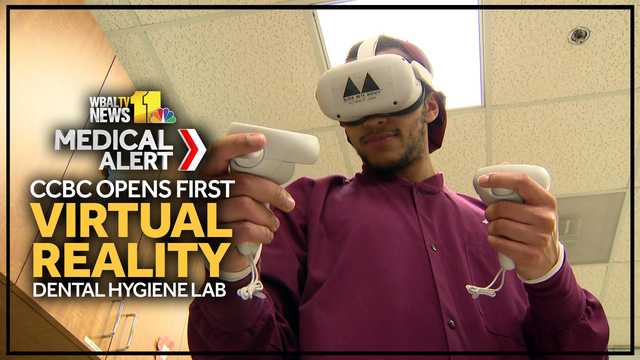
Blender (Dental add-ons) offers a range of features that enhance the learning and working experience in dentistry. These include advanced 3D modeling capabilities, realistic simulations, and interactive educational tools. With Blender (Dental add-ons), users can create detailed dental models, simulate various procedures, and develop engaging educational content.
Installation Guide
System Requirements
Before installing Blender (Dental add-ons), ensure that your system meets the minimum requirements. These include a 64-bit operating system, at least 8 GB of RAM, and a dedicated graphics card.
Step-by-Step Installation Process
1. Download the Blender (Dental add-ons) installer from the official website.
2. Run the installer and follow the prompts to select the installation location and choose the components to install.
3. Wait for the installation to complete, then launch Blender (Dental add-ons) from the start menu or desktop shortcut.
Troubleshooting and Exporting
Common Issues and Solutions
Users may encounter issues with Blender (Dental add-ons), such as crashes, slow performance, or export errors. To troubleshoot these problems, try updating the software to the latest version, disabling unnecessary add-ons, or seeking support from the community forums.
Exporting Models and Animations
To export models and animations from Blender (Dental add-ons), navigate to the File menu and select the desired export format. Options include OBJ, STL, and AVI, among others.
Secure Records Guide with Encrypted Repositories
Understanding Encryption and Security
Blender (Dental add-ons) allows users to create secure records and store them in encrypted repositories. This ensures that sensitive data remains protected from unauthorized access.
Setting Up Encrypted Repositories
To set up an encrypted repository, create a new folder and enable encryption using a password or key. Then, configure Blender (Dental add-ons) to use the encrypted repository for storing and retrieving records.
Comparison with OpenEMR
Key Differences and Similarities
Blender (Dental add-ons) and OpenEMR are two distinct software solutions catering to different needs in the dental industry. While OpenEMR is an electronic health record system, Blender (Dental add-ons) focuses on 3D visualizations and educational materials.
Choosing the Right Solution
When deciding between Blender (Dental add-ons) and OpenEMR, consider the specific requirements of your practice or educational institution. If you need advanced 3D modeling and simulation capabilities, Blender (Dental add-ons) may be the better choice. For electronic health record management, OpenEMR is a more suitable option.
FAQ
Frequently Asked Questions
Q: Is Blender (Dental add-ons) free to download and use?
A: Yes, Blender (Dental add-ons) is free and open-source software.
Q: Can I use Blender (Dental add-ons) for commercial purposes?
A: Yes, Blender (Dental add-ons) can be used for commercial purposes, but ensure that you comply with the software’s licensing terms.
Q: How do I get support for Blender (Dental add-ons)?
A: Support for Blender (Dental add-ons) is available through the official website, community forums, and online documentation.