VR Dental Training Lab history: The Evolution of Dental Visualization
The Virtual Reality (VR) Dental Training Lab has revolutionized the field of dentistry by providing an immersive and interactive learning experience for dental students and professionals alike. But have you ever wondered how this innovative platform came into existence? In this article, we will delve into the history of VR Dental Training Lab, from its humble beginnings as a research software to its current status as a global dental visualization platform.
Early Beginnings: Research and Development
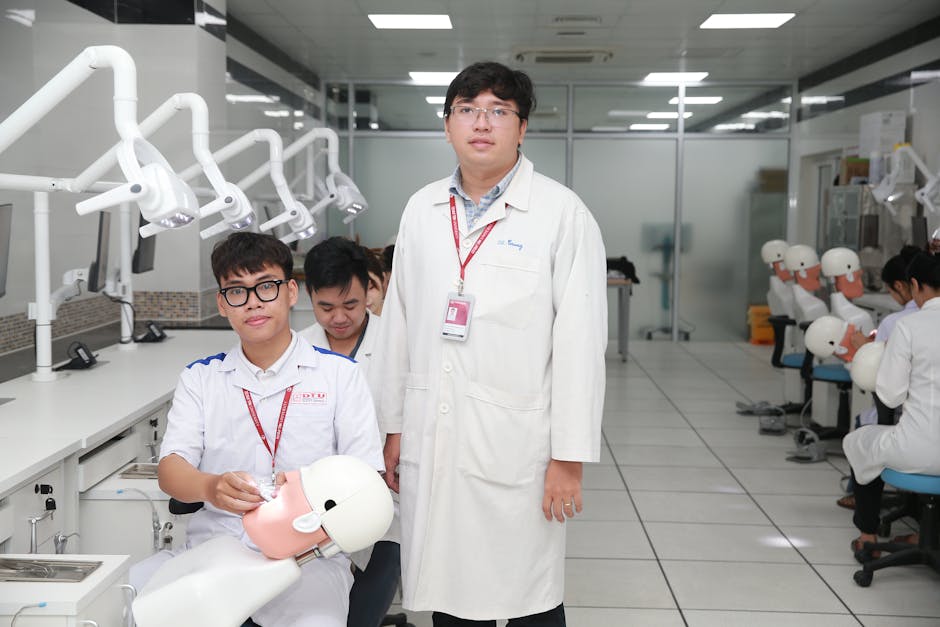
The concept of VR Dental Training Lab was born out of a research project aimed at creating a more effective and engaging way to teach dental students. The project, initiated by a team of dental educators and software developers, sought to harness the power of virtual reality to simulate real-world dental procedures. The early prototype of VR Dental Training Lab was developed in collaboration with several dental schools and research institutions.
The initial version of VR Dental Training Lab was met with enthusiasm from the dental community, who recognized the potential of this technology to transform dental education. The platform’s ability to simulate real-world dental procedures in a safe and controlled environment made it an attractive tool for dental schools and training programs.
Advancements and Improvements
As VR Dental Training Lab continued to evolve, several key features were added to enhance its functionality and user experience. These advancements included:
- Immersive Visualization: The platform’s visualization capabilities were significantly improved, allowing users to explore complex dental anatomy in 3D.
- Interactive Simulations: Users could now interact with virtual dental models, practicing various procedures in a realistic and immersive environment.
- Personalized Learning: The platform was designed to adapt to individual learning styles and needs, providing a personalized learning experience for each user.
Comparison with Legacy Tools
| Feature | VR Dental Training Lab | Legacy Tools |
|---|---|---|
| Immersive Visualization | 3D visualization capabilities | 2D images and diagrams |
| Interactive Simulations | Real-time interaction with virtual models | Static images and videos |
| Personalized Learning | Adaptive learning technology | One-size-fits-all approach |
These advancements positioned VR Dental Training Lab as a leader in the field of dental education, offering a more effective and engaging learning experience than traditional legacy tools.
Global Expansion and Adoption
As VR Dental Training Lab continued to evolve and improve, it began to gain traction on a global scale. Dental schools and training programs from around the world began to adopt the platform, recognizing its potential to transform dental education. Today, VR Dental Training Lab is used by thousands of dental professionals and students worldwide.
Comparison with Open-Source Alternatives
| Feature | VR Dental Training Lab | Open-Source Alternatives |
|---|---|---|
| Licensing and Support | Commercial licensing and dedicated support | Free and open-source, but limited support |
| Content Library | Comprehensive library of dental models and scenarios | Limited and user-generated content |
| Customization and Integration | Seamless integration with existing curricula and customized solutions | Limited customization options and integration challenges |
While open-source alternatives may offer some similarities to VR Dental Training Lab, they often lack the comprehensive content library, dedicated support, and seamless integration that makes VR Dental Training Lab a leader in the field.
In conclusion, the history of VR Dental Training Lab is a testament to the power of innovation and collaboration in transforming the field of dentistry. From its humble beginnings as a research project to its current status as a global dental visualization platform, VR Dental Training Lab has revolutionized the way dental students and professionals learn and practice.
| VR Dental Training Lab | Legacy Tools | Open-Source Alternatives |
|---|---|---|
| Immersive Visualization | 2D images and diagrams | 3D visualization capabilities, but limited content |
| Interactive Simulations | Static images and videos | Real-time interaction with virtual models, but limited scenarios |
| Personalized Learning | One-size-fits-all approach | Adaptive learning technology, but limited support |